


Pregnancy and Oral Health: Why Gum Disease and Cavities Increase?
Pregnancy affects more than just your body, it also changes your oral health in ways many women don’t expect. Hormonal shifts can make gums more sensitive, leading to bleeding, swelling, and evengum disease. Frequent snacking, morning sickness, and reduced saliva can also increase the risk of cavities. What seems minor, like bleeding gums, can sometimes impact both mother and baby if left untreated. The good news is that simple habits like proper brushing, mindful eating, and regular dental check-ups can prevent most issues. Taking care of your oral health during pregnancy is not extra, it is an essential part of prenatal care.
Pregnancy brings a flood of advice, what to eat, what to avoid, how to sleep, how to breathe. But one thing that rarely makes the list? Your teeth and gums. And that oversight can have consequences that go well beyond a toothache.
Here is a number worth knowing: up to 75% of pregnant women develop some form of gum disease during pregnancy. That is not a rare complication. That is the majority. And yet, most expecting mothers in India visit an obstetrician religiously while skipping the dentist entirely.
The truth is, pregnancy oral health is not a separate topic from prenatal care. They are deeply connected, and understanding why can make a real difference for both mother and baby.
One video, full clarity on the entire procedure 👉
Why Pregnancy Hormones Wreak Havoc on Your Gums
When a woman is pregnant, the body undergoes significant hormonal shifts. Estrogen and progesterone levels surge, and these hormones do not just affect mood or appetite. They attach to receptors in gum tissue and fundamentally change how the body responds to bacteria in the mouth.
Normally, the immune system keeps oral bacteria in check. During pregnancy, that response gets dialled down. The gums become more vascular, more sensitive, and far more reactive to even small amounts of plaque. What would have caused mild irritation before pregnancy can now trigger significant inflammation.
This is pregnancy gum disease in action, and it does not always announce itself loudly.
What is pregnancy gingivitis?
Pregnancy gingivitis is inflammation of the gums caused by the body's heightened response to plaque during pregnancy. It affects between 60% and 75% of pregnant women and can begin as early as the first trimester, though it typically peaks in the third.
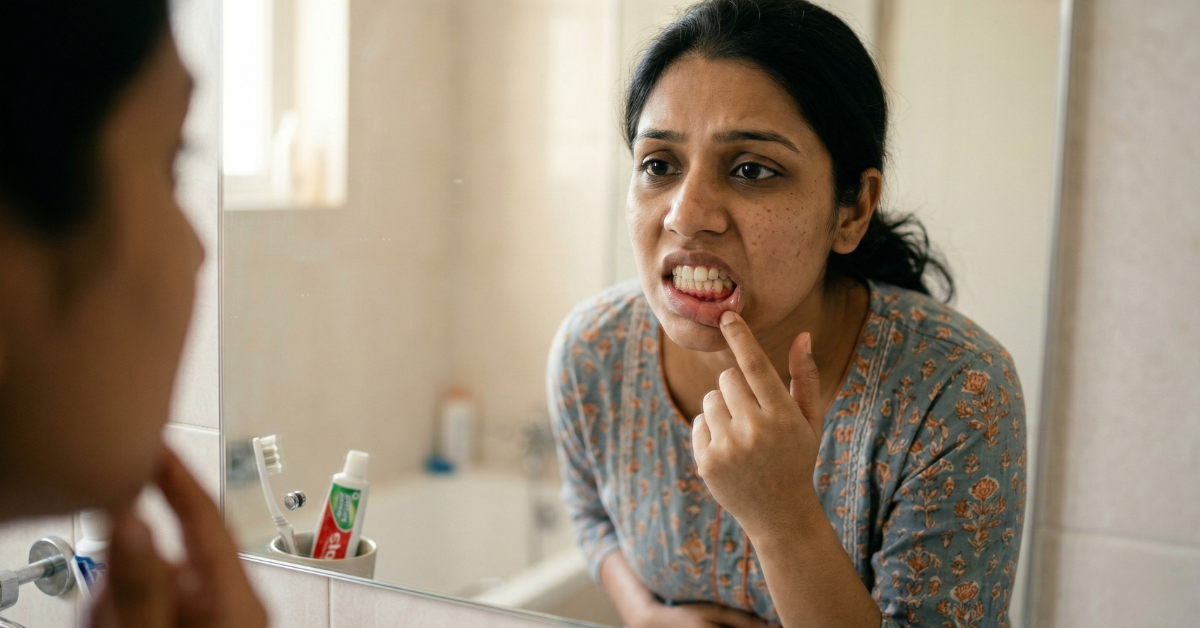
The signs are easy to miss or dismiss: gums that bleed while brushing, look slightly darker or purplish near the teeth, feel puffy, or are tender to touch. Many women assume this is normal and temporary. Sometimes it resolves on its own. But when it does not, it progresses.
Can gingivitis turn into something worse?
Yes, and this is where the concern becomes more serious. Approximately 30 to 40% of pregnant women with untreated gingivitis go on to develop periodontitis, a chronic inflammatory disease that affects the bone and connective tissue holding the teeth in place.
At this stage, the damage is not just in the gums. Periodontal pathogens, including bacteria like Porphyromonas gingivalis and Fusobacterium nucleatum, can enter the bloodstream and travel to the placenta and uterus.
What about pregnancy tumors?
Despite the alarming name, pregnancy tumors are benign. They are small, rapidly growing growths on the gums, medically called pyogenic granulomas, that tend to bleed easily and appear due to high progesterone levels combined with local plaque irritation. They are more common in the second and third trimester and usually shrink after delivery. However, if they interfere with eating or oral hygiene, a dentist may recommend removal.
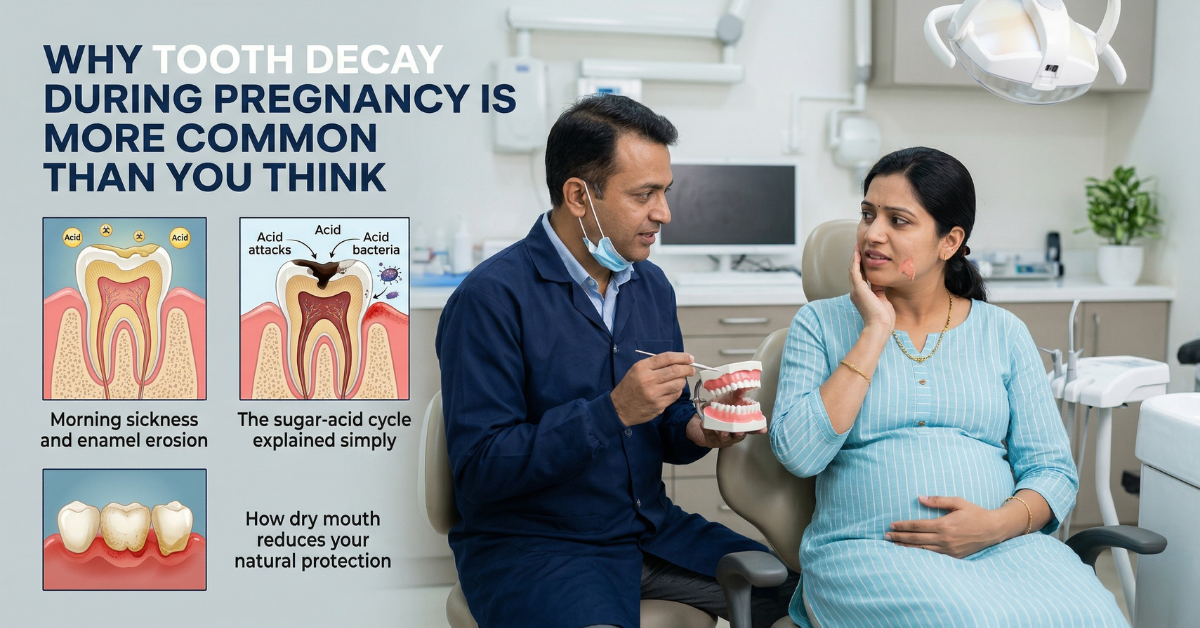
Why Tooth Decay During Pregnancy Is More Common Than You Think
Gum disease gets most of the attention, but tooth decay during pregnancy deserves equal concern. Hunger levels increase during pregnancy, and frequent snacking throughout the day is extremely common. For many Indian families, that means reaching for biscuits, mithai, mango slices, or sweet chai between meals, all of which feed the bacteria responsible for cavities.
But diet is only part of the picture.
1. Morning sickness and enamel erosion
Morning sickness is one of the more underappreciated contributors to dental damage. When stomach acid repeatedly enters the mouth through vomiting or acid reflux, it attacks the enamel, the hard outer layer of the teeth. Over time, this erosion weakens teeth and creates the perfect environment for decay.
The instinct after vomiting is to brush immediately. But that can actually spread the acid further across the enamel. Instead, rinse the mouth with plain water or a mixture of water and baking soda first. Wait at least 30 minutes before brushing. It is a small habit change with a meaningful impact.
2. The sugar-acid cycle explained simply
Every time sugar is consumed, the bacteria in the mouth produce acid as a byproduct. That acid attacks the tooth for about 20 minutes. Frequent snacking throughout the day means the teeth are under near-constant acid attack, with barely any recovery time in between.
This is why it is not just what is eaten during pregnancy that matters, but how often.
3. How dry mouth reduces your natural protection
Saliva is the mouth's first line of defence. It neutralises acid, washes away food particles, and helps remineralise enamel. During pregnancy, hormonal changes can reduce saliva flow and alter its composition, lowering calcium and phosphate levels that are essential for tooth protection. Increased mouth breathing, especially at night, compounds this. The result is a mouth that is significantly less equipped to protect itself.
How Untreated Gum Disease Can Affect Your Baby
This is the part of the conversation that matters most, and the one that is most often left out of prenatal discussions.
Research published across multiple peer-reviewed studies has found that untreated periodontal disease during pregnancy is associated with a significantly elevated risk of preterm birth, low birth weight, pre-eclampsia, and gestational diabetes mellitus. Women with periodontitis have been found to have twice the odds of developing gestational diabetes compared to those without.
The mechanism is not mysterious. When bacteria from infected gum tissue enter the bloodstream, they can trigger systemic inflammation. Inflammatory mediators like prostaglandin E2, interleukin-1, and tumour necrosis factor-alpha can provoke a chain reaction that affects the fetoplacental unit. The liver responds by producing C-reactive protein and fibrinogen, both of which further escalate inflammation.
Preterm birth accounts for 75% of perinatal mortality. It is a statistic that makes the case for taking pregnancy gum disease seriously, not to cause fear, but to encourage action.
Is Dental Care During Pregnancy Actually Safe?
There is a widespread belief in many Indian households that dental treatment should be avoided during pregnancy, that X-rays are dangerous, that anaesthesia will harm the baby, that it is better to wait until after delivery. This belief, however well-intentioned, is medically incorrect and potentially harmful.
Both the American College of Obstetricians and Gynecologists (ACOG) and the American Dental Association (ADA) are clear: dental care is safe throughout all three trimesters of pregnancy. Delaying necessary treatment does not protect the baby. In fact, it can increase the risk of infection and adverse outcomes.
Trimester | Weeks | Status | What’s Recommended | What’s Safe | What to Avoid or Defer |
First | Weeks 1 to 12 | Safe | Schedule a check up, get a professional cleaning, flag any concerns early | Routine cleaning, urgent treatment when needed | Elective procedures deferred out of caution not danger |
Second | Weeks 13 to 26 | Optimal | Best window for most dental work as organs are developed, morning sickness eases, and positioning is comfortable | Fillings, cleanings, scaling, X rays with shielding, local anaesthesia such as lidocaine | Cosmetic procedures can wait |
Third | Weeks 27 to 40 | Adjust | Routine and urgent care still safe and dentist adjusts patient positioning to reclined left side to avoid vascular compression | Routine check ups, urgent treatment, cleaning | Teeth whitening and cosmetic bonding defer until after delivery |
How to Protect Your Teeth and Gums Through Every Trimester
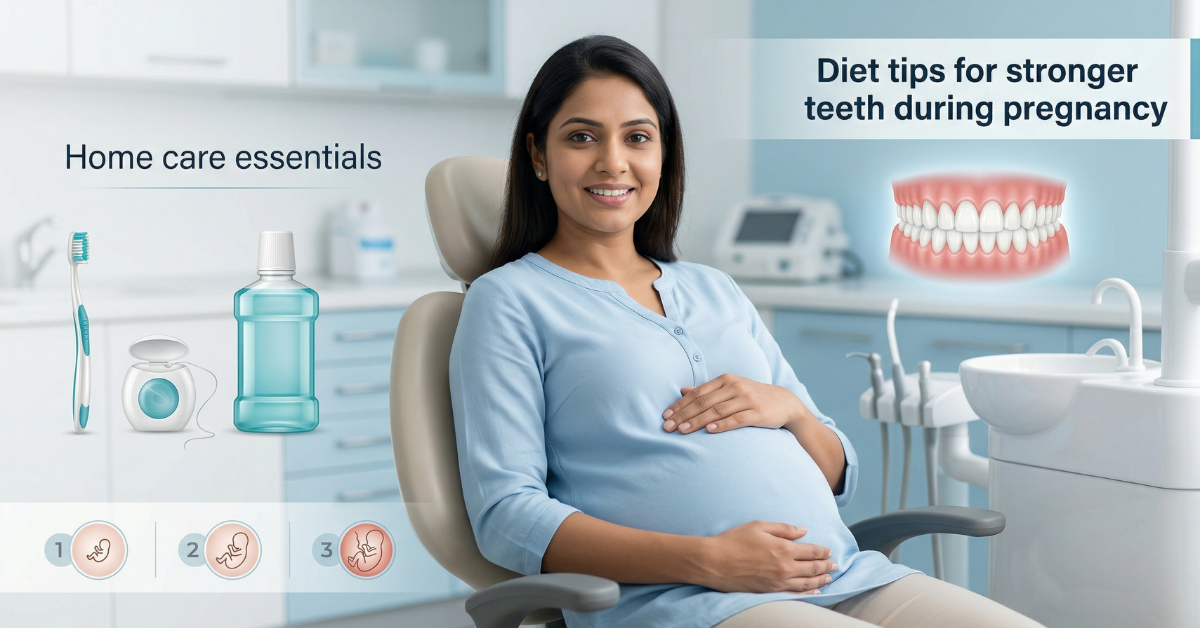
The good news is that most of the damage described above is preventable with consistent, simple habits.
1. Home care essentials
Brush at least twice a day with a fluoride toothpaste. Floss at least once daily, the majority of people skip this step, but it is even more important during pregnancy when gum sensitivity is elevated. After vomiting, rinse with water or a baking soda solution before brushing.
2. Diet tips for stronger teeth during pregnancy
Include calcium-rich foods regularly, dahi, ragi, sesame seeds (til), and paneer are excellent Indian sources. Vitamin D helps the body absorb calcium, so include eggs, fortified milk, or safe sun exposure. Folic acid supports gum health and reduces inflammation. Omega-3 fatty acids from flaxseeds or walnuts have been associated with reduced periodontal inflammation.
Limit the frequency of sugary snacks. It is not about avoiding mithai entirely, it is about not grazing on it throughout the day.
When to book a dental appointment
Ideally, before conception. But if that window has passed, the second trimester is the best time to visit. At Radiant Smiles Dental Clinic, expectant mothers can schedule a professional cleaning and periodontal screening that takes less than an hour and is safe at any stage of pregnancy.
Do not wait for pain. Gum disease and early decay rarely hurt until they have progressed significantly. Catching problems early, before they become complications, is exactly what a routine prenatal dental visit is designed to do.
Taking Care of Yourself Is Taking Care of Your Baby
Pregnancy is a time when every decision feels connected to the life growing inside. Oral health is no different. The bacteria in the mouth, the inflammation in the gums, the acid attacking the enamel, all of it has the potential to affect pregnancy outcomes.
The reassuring part is that none of this requires extraordinary effort. Regular brushing, mindful snacking, rinsing after sickness, and one dental visit during pregnancy is genuinely enough to make a significant difference.
A healthy mouth is one of the quietest, most overlooked gifts that can be given to a growing baby. It starts with showing up for the appointment.
Expecting? Book your pregnancy dental check-up at Radiant Smiles Dental Clinic today, because a healthy smile is one of the best things you can give your baby.
Frequently Asked Questions
1. Is it safe to go to the dentist while pregnant?
Yes. Cleanings, fillings, and X-rays with proper shielding are safe across all three trimesters. The second trimester is the most comfortable window, but urgent treatment should never be postponed regardless of stage.
2. Why are my gums bleeding during pregnancy?
Most likely pregnancy gingivitis. Hormonal changes make gum tissue more reactive to plaque bacteria, causing inflammation even with regular brushing. It affects up to 75% of pregnant women and needs a dental assessment, not just monitoring.
3. Can gum disease affect my baby?
Yes. Untreated periodontal disease is linked to preterm birth, low birth weight, and higher risk of gestational diabetes. Bacteria from infected gum tissue can enter the bloodstream and trigger inflammation that affects the placenta. Treating it promptly is one of the most protective steps an expecting mother can take.
4. How can I prevent tooth decay during pregnancy?
Brush twice daily, floss once daily, and rinse with water or baking soda after vomiting. Limit sugary snacks and include calcium-rich foods like dahi, ragi, and til. A professional cleaning during pregnancy catches early decay before it becomes a problem.
5. When is the best time to visit the dentist during pregnancy?
The second trimester. Major fetal organ development is complete, morning sickness typically eases, and sitting through treatment is still comfortable. Any dental concern that comes up earlier should still be addressed right away. Waiting is never the safer option.
Dr. Ligi Elsa John
BDS, MDS — Periodontist, Implantologist & Smile Designing Specialist
Dr. Ligi has established herself as a remarkable periodontist, implantologist, and smile design specialist. She holds a Bachelor of Dental Surgery (BDS) from Bharati Vidyapeeth Deemed University, Navi Mumbai, and pursued her post-graduate studies at Terna Dental College, Navi Mumbai. With over 12 years of experience, she has become a respected name in her field.
Since 2019, Dr. Ligi has been a dedicated Senior Associate Dentist at Radiant Smiles Dental Clinic, where her role extends beyond clinical excellence into administration and day-to-day patient care coordination. Known for her patient-centric approach, she is passionate about creating beautiful, confident smiles for every patient who walks through our doors.
Book an Appointment with Dr. Ligi Elsa John