


Gum Disease Treatment in Mumbai: Signs, Costs and Prevention | Radiant Smiles

Gum Disease Treatment: Signs, Costs, and How to Prevent It
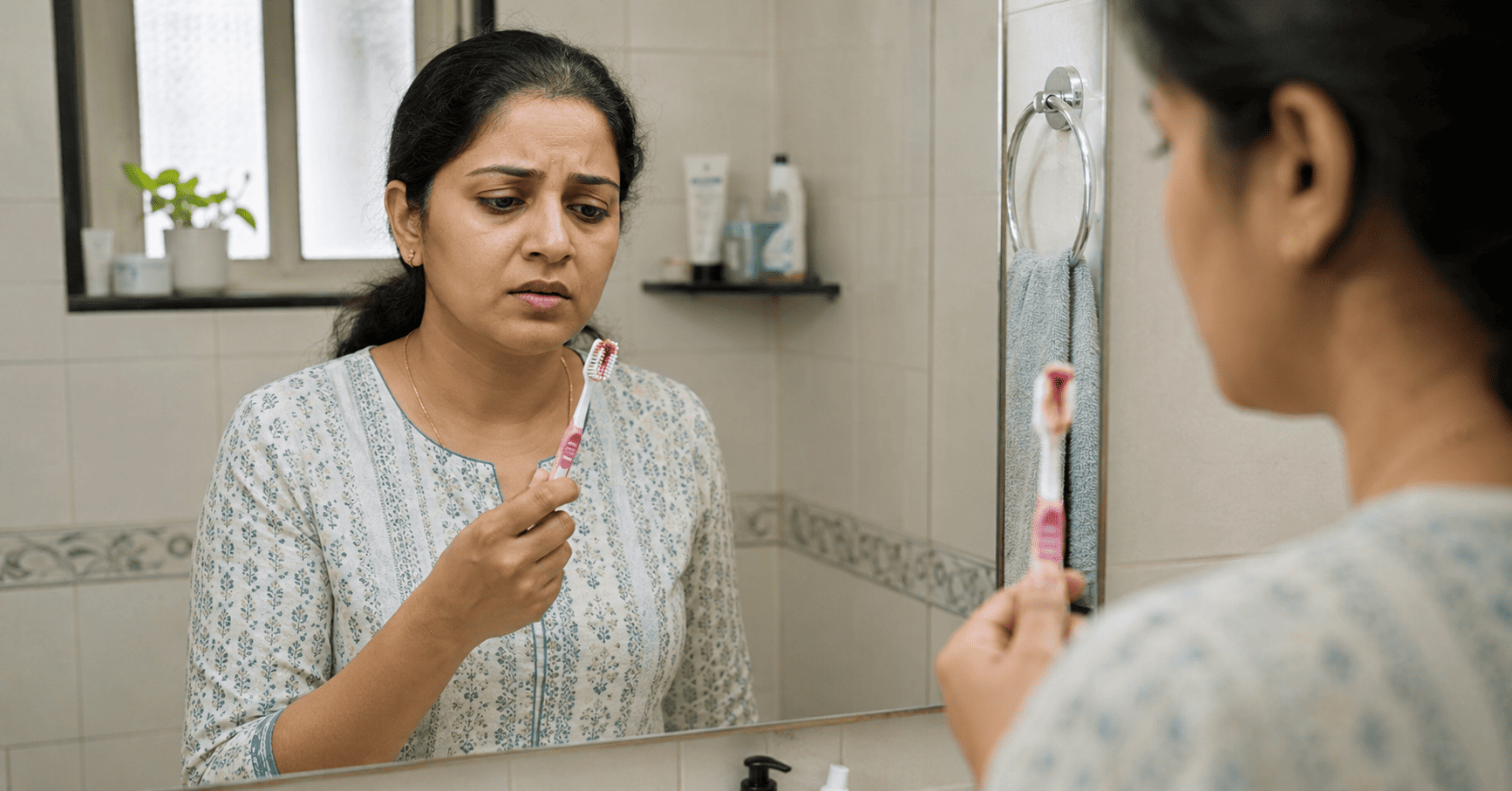
Most patients who come in for gum disease treatment say the same thing. They noticed the bleeding months ago but assumed it would settle on its own. It rarely does. Gum disease is one of the most common and most preventable oral health conditions in the world, yet it remains widely undertreated until significant damage has already quietly taken hold.
Periodontal disease is one of the leading causes of tooth loss in Indian adults over 35. Gingivitis, the earliest and fully reversible stage, can progress to periodontitis within weeks if left unaddressed, causing irreversible bone and tissue damage that no amount of brushing can undo. Research published through the NIH confirms a bidirectional relationship between gum disease and systemic conditions including heart disease, diabetes, and preterm births in pregnant women. This guide covers the warning signs that should never be ignored, what periodontal disease treatment involves at each stage, what patients in India can realistically expect to pay, and how consistent prevention stops gum disease from coming back.
What Is Gum Disease and Why Does It Progress So Quietly?
Gum disease is a bacterial infection of the tissues and bone that hold teeth in place. It begins as plaque, a sticky film of bacteria that forms naturally along and beneath the gum line. When plaque is not removed through brushing and flossing, it hardens into tartar. The body's immune response kicks in, triggering inflammation that begins destroying the very tissue it is trying to protect.
The reason gum disease progresses so quietly is that the early stages cause very little pain. A patient can have active gingivitis for months and feel almost nothing. By the time discomfort appears, the disease has usually moved beyond the stage where a simple cleaning is enough to reverse it. There is also a systemic dimension that most patients are not aware of. The bacteria driving gum disease can enter the bloodstream and travel to other parts of the body, contributing to cardiovascular disease, worsening blood sugar control in diabetic patients, and increasing the risk of respiratory infections. Treating gum disease is not just about saving teeth. It is about protecting overall health.
Gum Disease Symptoms: What to Watch For at Every Stage
1. Early Stage: Gingivitis Symptoms
Bleeding gums during brushing or flossing is the single most common and most frequently ignored early warning sign of gum disease. Many patients assume it means they are brushing too hard. Sometimes that is true. But when the bleeding is consistent, it almost always signals that bacteria have taken hold along the gum line and the tissue is inflamed.
Other early gum disease symptoms at this stage include redness or puffiness in the gum tissue, persistent bad breath or an unpleasant taste that returns even after brushing, and gums that feel tender when touched. The reassuring news is that gingivitis treatment at this stage is straightforward and the outcome is complete. With professional cleaning and improved home care, the gums return to full health without any lasting damage.
2. Moderate Stage: Early Periodontitis Symptoms
When gingivitis is not addressed, the infection moves below the gum line and begins attacking the bone. At this stage, gums start pulling away from the teeth, making them appear longer than before. Visible gaps or spaces begin forming between teeth that previously sat close together. Tooth sensitivity increases, particularly to hot, cold, or sweet foods and drinks. Some patients notice a subtle shift in their bite or a mild loosening of one or more teeth. These are signs that the disease has passed the gingivitis stage and professional periodontal disease treatment is needed.
3. Advanced Stage: Severe Periodontitis Symptoms
At advanced periodontitis, the infection has caused significant bone loss. Gum recession is pronounced, with tooth roots visibly exposed. Deep gum pockets are detectable on probing at the dental appointment. Teeth become noticeably loose, shifting, or separating in ways that affect eating and speaking. Bleeding occurs spontaneously, without any brushing at all. In some cases, pus is visible between the teeth and gums, a clear signal that active gum infection treatment is urgently required. Bone loss at this stage is visible on dental X-rays and confirms that surgical intervention is likely necessary. Leaving this untreated also puts neighbouring teeth at risk; not replacing a missing tooth can accelerate gum disease and cause surrounding teeth to shift in ways that compound the damage.
Causes and Risk Factors: Why Some Patients Are More Vulnerable
Poor oral hygiene is the starting point for most gum disease cases. Irregular brushing and flossing allows plaque to accumulate and harden into tartar that can no longer be removed at home. But oral hygiene alone does not tell the whole story.
Tobacco use is one of the strongest modifiable risk factors for severe periodontal disease. Smoking restricts blood flow to the gum tissue, weakens the immune system's ability to fight infection, and makes gum disease significantly harder to treat even with professional intervention. Patients who smoke are more likely to experience faster disease progression and less complete healing after treatment.
Diabetes and gum disease have a clinically significant relationship that runs in both directions. High blood glucose levels impair the body's ability to fight bacterial infections, making diabetic patients considerably more susceptible to gum disease. At the same time, active gum disease makes blood sugar control harder to maintain, which accelerates the cycle of decline. Managing gum health is part of managing diabetes effectively.
Hormonal changes during pregnancy, menstruation, and menopause increase gum sensitivity and susceptibility to inflammation, even in patients with otherwise good oral hygiene. Pregnancy in particular raises the risk of gum disease and cavities in ways that many expectant mothers are not warned about. Certain medications, including anticonvulsants, some heart medications, and immunosuppressants, either reduce saliva production or cause abnormal gum tissue growth, both of which create conditions where bacteria thrive.
Genetic predisposition is also a genuine factor. Some patients develop significant periodontal disease despite excellent oral hygiene because their immune response to bacteria is genetically more inflammatory. If gum disease runs in a family, more frequent professional monitoring is warranted.
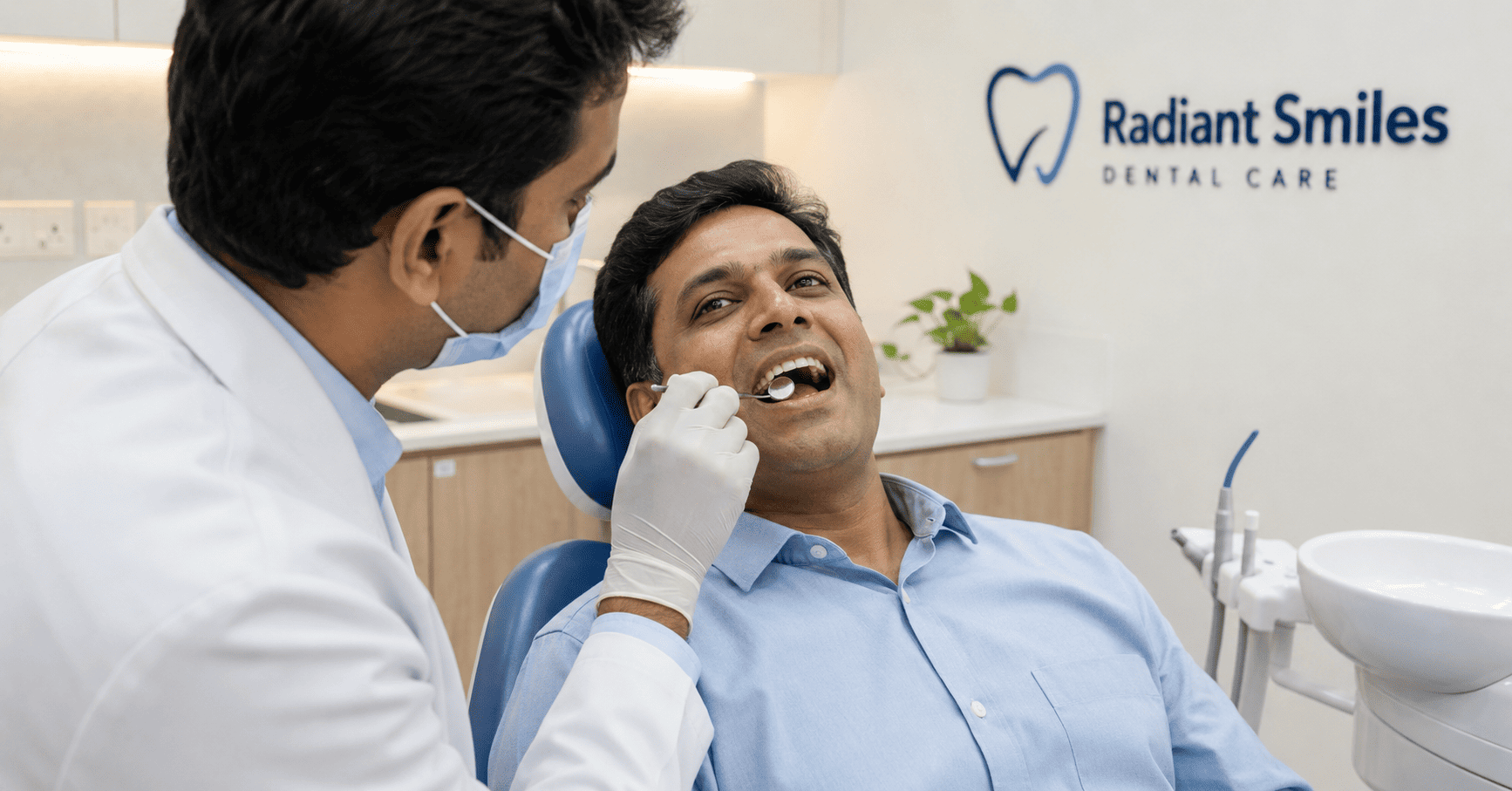
A patient seen at Radiant Smiles illustrates how these factors interact. A patient in his forties with well-controlled Type 2 diabetes and a consistent brushing routine presented with moderate periodontitis across several lower teeth. The systemic connection was explained clearly, a coordinated periodontal treatment plan was designed, and his endocrinologist was brought into the picture as a collaborative partner in his care.
Gum Disease Treatment Options: From Gingivitis to Advanced Periodontitis
Non-Surgical Treatments
1. Professional Dental Cleaning
For early gingivitis where gum pockets have not yet formed, a professional cleaning that removes plaque and surface tartar is often all that is needed. The treatment is most effective when combined with improved brushing and flossing technique immediately afterward. Many patients are surprised that a condition producing such visible symptoms resolves so completely with a relatively simple intervention.
2. Scaling and Root Planing
Scaling and root planing, commonly known as deep cleaning, is the most widely recommended non-surgical treatment for early to moderate periodontitis. The procedure removes bacterial deposits from above and below the gum line, and the root surfaces are carefully smoothed to prevent future plaque from reattaching. Most cases are completed in two to four sessions depending on severity. Local anaesthesia ensures comfort throughout, and the vast majority of patients return to normal daily activities the same day.
3. Laser Gum Treatment
Laser gum treatment is a minimally invasive alternative to conventional scaling that is particularly well-suited for patients with moderate gum pockets, dental anxiety, or a low tolerance for discomfort. The laser energy disinfects deep pockets, removes infected tissue precisely, and promotes faster healing without any cuts or sutures. There is no recovery window to speak of, and most patients report minimal discomfort during and after the procedure. At Radiant Smiles, laser gum treatment is available as both a standalone intervention and as part of a broader periodontal care plan.
4. Local Drug Delivery
After scaling and root planing, targeted antimicrobial medication can be placed directly inside gum pockets to control any remaining bacterial infection at the site. This avoids the need for systemic antibiotics and delivers treatment exactly where it is needed. It is typically used as an adjunct in moderate periodontitis cases where pocket bacteria are persistent.
Surgical Treatments for Severe Gum Disease
1. Flap Surgery
When deep pockets persist after non-surgical treatment, flap surgery allows the periodontist to access and clean areas that scaling alone cannot reach. The gum tissue is gently lifted, the deep infection and tartar deposits are thoroughly removed, and the tissue is repositioned and sutured back into place. Recovery is manageable with standard aftercare, and the long-term result is significantly healthier gum architecture that is easier to maintain.
2. Bone Grafting and Guided Tissue Regeneration
Where significant bone loss has occurred, bone grafting rebuilds the lost structure using grafting material that integrates with the patient's existing bone over time. Guided tissue regeneration membranes are placed alongside the graft to encourage natural regrowth of both bone and the supporting tissue around the tooth. This approach can stabilise teeth that have become loose due to advanced bone destruction and, in many cases, prevents tooth loss entirely.
3. Gum Grafting
For patients with significant gum recession and exposed tooth roots, gum grafting restores the gumline using donor tissue. The procedure reduces sensitivity, protects the exposed root surfaces from further damage, and restores the natural aesthetic of the smile. It is the definitive treatment for receding gums that have progressed beyond what non-surgical care can address.
Periodontal Treatment Cost in India: What Patients Pay in 2026
Gum Treatment Cost Comparison
Treatment | Starting Cost in India | Severity Level | Sessions Typically Needed |
Professional Dental Cleaning | ₹500 to ₹1,500 | Mild gingivitis | 1 session |
Scaling and Root Planing | ₹1,430 to ₹3,000 | Mild to moderate periodontitis | 2 to 4 sessions |
Laser Gum Treatment | ₹1,950 to ₹40,000 | Localised to full-mouth advanced disease | 1 to 3 sessions |
Local Drug Delivery | ₹500 to ₹2,000 per site | Moderate periodontitis adjunct | Per session |
Flap Surgery | ₹5,000 to ₹20,000+ per quadrant | Severe periodontitis | Per quadrant |
Bone Grafting | ₹10,000 to ₹40,000+ | Advanced gum disease with bone loss | Varies by extent |
Gum Grafting | ₹8,000 to ₹30,000+ | Gum recession with root exposure | Per site |
All prices are indicative ranges at quality Indian dental clinics. Exact costs depend on severity, number of teeth involved, technology used, and clinic location.

What Affects the Final Cost
The biggest driver of periodontal treatment cost is how advanced the condition is at the time of the first appointment. A patient who comes in at the gingivitis stage pays a fraction of what a patient with established periodontitis requiring multiple scaling sessions and surgical follow-up will pay. This is the most practical argument for early intervention that exists.
Beyond severity, the number of teeth or quadrants requiring treatment, whether laser technology or conventional scaling is used, and whether surgical procedures are needed following non-surgical care all influence the total. Location matters too. Clinics in South Mumbai and Bandra typically charge fifteen to twenty-five percent more than suburban clinics for equivalent procedures.
At Radiant Smiles Dental Clinic, a patient presenting with four deep pockets requiring scaling, root planing, and local drug delivery across two quadrants completes the treatment course across three visits. The complete cost is confirmed in writing at the first consultation, before any treatment begins, so there are no surprises.
Gum Disease Prevention: What Actually Works Long-Term
- Prevention is far more affordable than advanced gum disease treatment. Regular dental cleanings costing around ₹1,500 can help patients avoid surgical procedures that may cost ₹15,000 to ₹40,000 or more.
- Brushing twice daily with a soft-bristled toothbrush is essential for removing plaque before it hardens into tartar. Dentists recommend gentle circular motions angled toward the gum line for at least two minutes.
- Daily flossing is one of the most important preventive habits because it removes bacteria and food particles from areas a toothbrush cannot reach, especially between teeth and along the gum line.
- Using an alcohol-free antibacterial mouthwash helps reduce bacterial buildup between brushing sessions and provides additional protection against gum inflammation and infection.
- Professional dental cleanings every six months are necessary because hardened tartar cannot be removed through brushing or flossing at home. Professional instruments are required to fully clean below the gum line.
- Lifestyle changes such as quitting tobacco, controlling blood sugar levels in diabetic patients, and maintaining proper hydration significantly reduce the risk of periodontal disease progression.
- Traditional Indian oral care methods like neem-based dental products and oil pulling may provide antimicrobial benefits and can support oral hygiene when used alongside professional dental care.
- Long-term gum health depends on consistency. Preventive habits practiced daily are far more effective and less expensive than treating advanced periodontal disease later.
Healthy Gums Are the Foundation of Every Healthy Smile
Gum disease is one of the most common yet preventable oral health conditions. Patients who seek treatment early, especially at the first signs of bleeding or swollen gums, usually experience the best outcomes. While many people delay treatment until pain appears, early care can often reverse the condition quickly and effectively.
Treating gum disease is about more than protecting your teeth. It also supports heart health, blood sugar control, respiratory health, and overall wellbeing. Research continues to show a strong connection between oral health and the rest of the body.
Every treatment plan should be tailored to the individual, with clear cost transparency and no unnecessary procedures. Whether caught early or at a more advanced stage, gum disease can be managed successfully with the right care.
Noticing bleeding, swollen, or receding gums? Book a gum health assessment at Radiant Smiles Dental Clinic or visit Radiant Smiles Dental Clinic for a personalised periodontal evaluation and treatment plan.
Frequently Asked Questions
1. What are the first signs of gum disease?
The earliest sign is usually bleeding gums during brushing or flossing. Other symptoms include redness, swelling, bad breath, and gum tenderness. At the gingivitis stage, these issues are fully reversible with professional cleaning and proper oral care. Delaying treatment until pain develops often means the disease has progressed further.
2. How much does gum disease treatment cost in India?
Treatment costs depend on the severity and procedure required. Scaling and root planing generally costs between ₹1,430 and ₹3,000, while laser gum treatment can range from ₹1,950 to ₹40,000 for advanced full-mouth cases. Surgical procedures such as flap surgery or bone grafting may cost more depending on the extent of treatment needed. At Radiant Smiles Dental Clinic, patients receive complete cost transparency before treatment begins.
3. Can gum disease be cured completely?
Gingivitis, the earliest stage of gum disease, can be completely reversed with professional cleaning and improved oral hygiene. Advanced periodontitis cannot be fully reversed because lost bone and tissue do not naturally regenerate, but it can be effectively controlled with ongoing periodontal care and maintenance visits.
4. Is gum disease treatment painful?
Most non-surgical treatments involve only mild discomfort and are performed under local anaesthesia. Laser gum treatment is especially gentle, with many patients reporting minimal pain. Surgical treatments are also manageable, with recovery typically controlled using standard pain relief medication.
5. How can I stop receding gums from getting worse?
Treatment begins by addressing the underlying cause, usually gum disease or aggressive brushing habits. Professional cleaning, scaling and root planing, and switching to a soft-bristled toothbrush can help prevent further recession. In more advanced cases, gum grafting may be recommended to restore the gumline and protect exposed roots.
Dr. Srishti
BDS — Dental Surgeon
[Add Dr. Srishti's bio here — qualifications, experience and areas of focus. Edit this text in blog-authors.php.]
Book an Appointment with Dr. Srishti