


Sensitive Teeth: Causes, Treatment and When to See a Dentist

Quick Answer
Sensitive teeth can cause sudden, sharp pain when consuming hot, cold, sweet, or acidic foods and drinks.
- Common causes: Worn tooth enamel, gum recession, cavities, cracked teeth, or brushing too hard.
- Symptoms: Sharp, temporary pain when eating or drinking something hot, cold, sweet, or acidic.
- Treatment: Use desensitizing toothpaste, brush gently with a soft-bristled toothbrush, and avoid acidic foods.
- Prevention: Maintain good oral hygiene, use fluoride toothpaste, and avoid aggressive brushing.
- When to see a dentist: Visit a dentist if sensitivity persists, worsens, or causes severe pain.
- Best time to visit: Seek dental advice early, even if the pain is mild, to identify the cause and prevent further damage.
Introduction
That sudden, sharp jolt from a sip of cold water or a spoonful of ice cream is one of the more common reasons patients search for answers before booking an appointment. Sensitive teeth are common, but "common" doesn't always mean "nothing to worry about", sometimes it's a minor, manageable issue, and sometimes it's an early signal worth addressing before it becomes something bigger. This guide walks through why teeth become sensitive, what actually helps, and exactly when it's time to stop guessing and see a dentist.
What Are Sensitive Teeth?
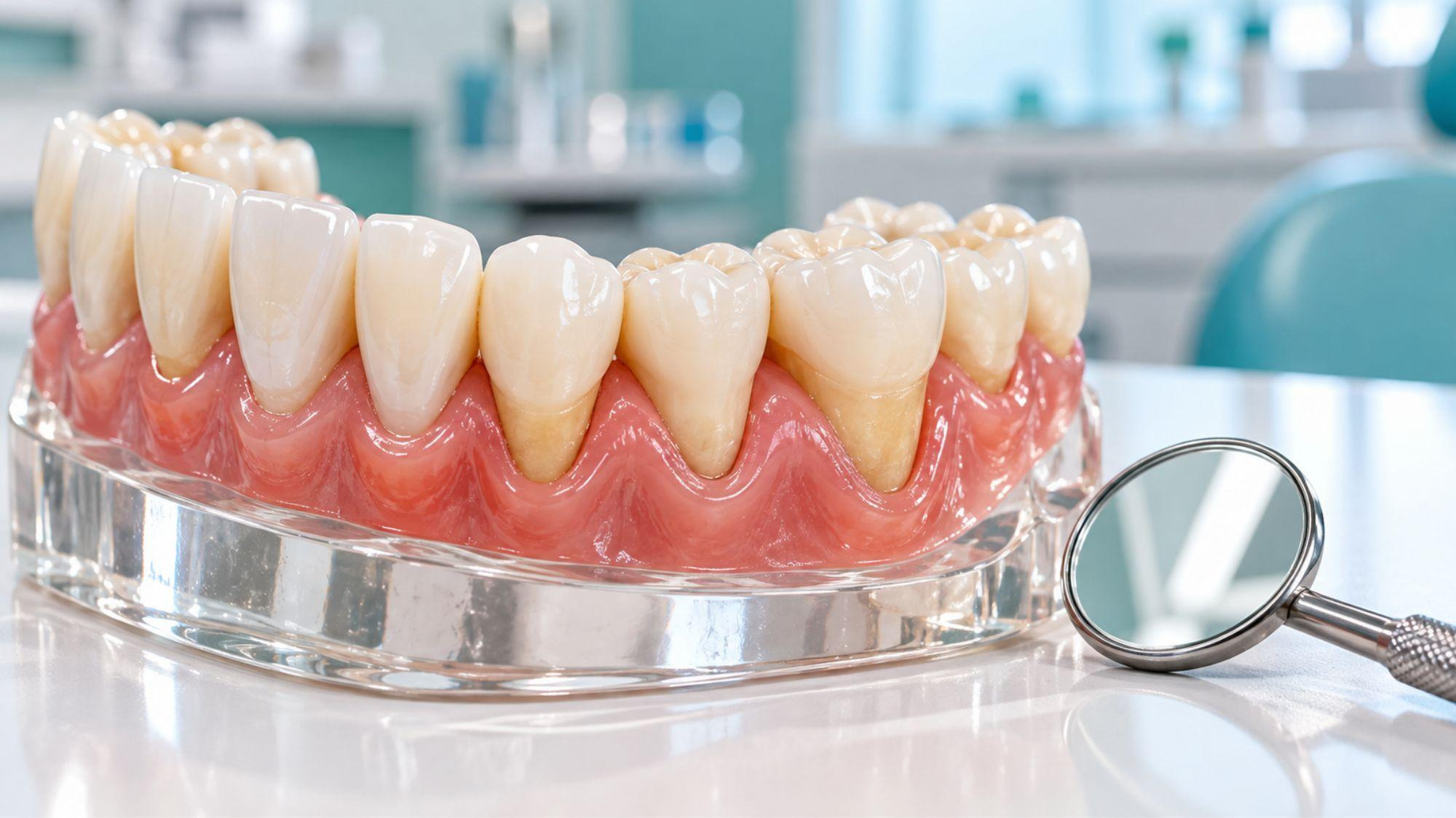
Tooth sensitivity is a sharp, often brief, pain or discomfort triggered by hot, cold, sweet, or sometimes even cold air hitting the teeth, caused by exposed dentin, the layer beneath the protective enamel, allowing stimuli to reach the nerve inside the tooth more easily than it should. It can affect a single tooth or several at once, and the intensity ranges from a mild twinge to a genuinely sharp, startling pain.
Common Causes of Tooth Sensitivity
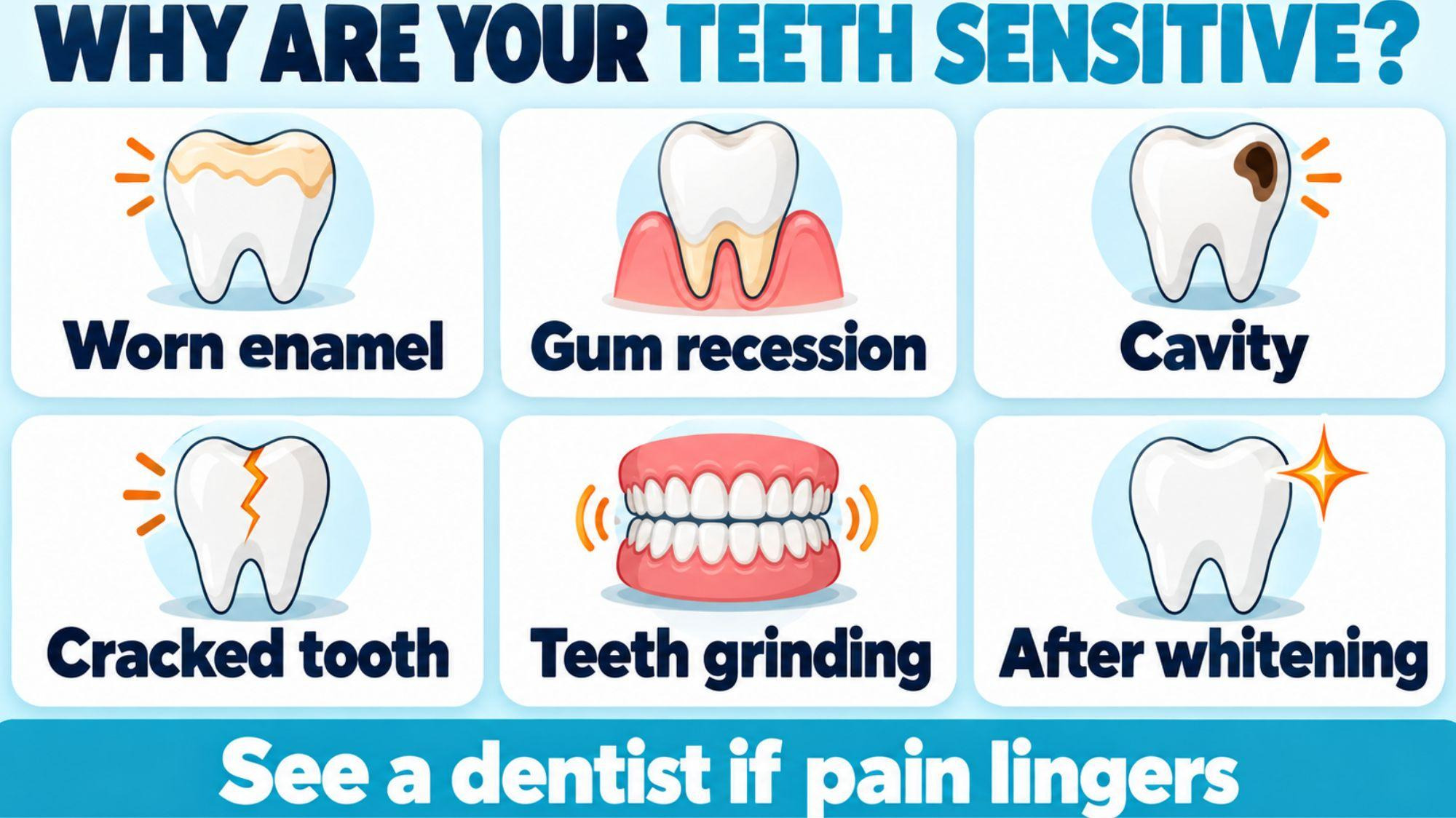
Sensitivity isn't one single condition, it's a symptom with several possible underlying causes, each with a different fix.
| Cause | Typical Sign | What Helps |
|---|---|---|
| Worn Enamel | Gradual sensitivity, often across multiple teeth | Desensitising toothpaste, avoiding abrasive brushing |
| Gum Recession | Sensitivity near the gumline, visible root exposure | Gum evaluation, possible gum treatment |
| Cavities | Sensitivity localized to one tooth, may worsen over time | A filling, once diagnosed |
| Cracked Tooth | Sharp pain on biting or chewing, often one specific tooth | Dental evaluation, bonding or a crown depending on severity |
| Recent Whitening or Cleaning | Temporary sensitivity following the procedure | Usually resolves on its own within days |
| Teeth Grinding (Bruxism) | Sensitivity alongside flattened or worn tooth surfaces | A night guard, addressing the grinding habit |
Hot, Cold or Sweet? What Your Trigger Can Suggest
Does the type of trigger actually mean something? To some extent, yes, though it's a general pattern rather than a reliable way to self-diagnose. Sensitivity to cold is the most common presentation and often points to exposed dentin from worn enamel or gum recession. Sensitivity to sweet foods can suggest a cavity, since bacteria interacting with sugar can irritate an already-compromised tooth. Pain specifically on biting down is more often linked to a cracked tooth or a filling that needs attention, rather than general sensitivity. None of this replaces an actual exam, it's a useful way to describe the problem clearly when booking an appointment, not a diagnosis in itself.
Home Care That Helps
A few home-care steps genuinely ease day-to-day sensitivity symptoms, though it's worth being clear about what they do and don't do: these manage discomfort, they don't treat whatever underlying cause is triggering it.
✔ Desensitising Toothpaste — Formulated to block the tubules in exposed dentin over time with consistent use; it typically takes a couple of weeks of regular use to notice a difference.
✔ A Soft-Bristled Toothbrush — Reduces further enamel wear and gum irritation compared to a medium or hard brush.
✔ Avoiding Acidic Drinks and Foods — Frequent exposure to acidic items (citrus, carbonated drinks) can accelerate enamel erosion over time.
✔ Gentle Brushing Technique — Aggressive brushing, especially right after acidic food or drink, can wear down enamel and worsen gum recession.
None of these steps address a cavity, a crack, or significant gum recession, if sensitivity persists despite consistent home care, that's a sign the underlying cause needs a professional look rather than a different home remedy.
Professional Treatment Options
What actually resolves sensitivity depends entirely on what's causing it, which is why a proper diagnosis matters more than guessing from symptoms alone.
✔ Fluoride Application — Strengthens enamel and can reduce sensitivity from mild enamel wear.
✔ Bonding — Covers exposed root surfaces or minor enamel loss with a tooth-colored material.
✔ Fillings — Addresses sensitivity caused by an actual cavity.
✔ Gum Treatment — Needed when gum recession is exposing root surfaces, ranging from a deep cleaning to more involved gum procedures depending on severity.
✔ Root Canal Treatment — Needed when sensitivity indicates the nerve itself is involved, often alongside lingering pain rather than a brief twinge, covered in more depth in root canal treatment cost and what to expect.
Sensitivity After a Cleaning, Filling or Whitening: What Is Normal and for How Long
Mild, temporary sensitivity after a professional cleaning, a new filling, or a whitening treatment is common and generally not a cause for concern. After a professional cleaning, sensitivity typically settles within a few days as the gums and tooth surfaces adjust, particularly if there was significant tartar buildup removed. After whitening, mild sensitivity to cold for a day or two is a known, temporary side effect for many patients. After a new filling, some sensitivity to temperature or pressure is normal for one to two weeks as the tooth settles.
Sensitivity that doesn't improve within this general window, or that gets noticeably worse rather than better, is worth mentioning to the dentist rather than waiting out indefinitely.
When to See a Dentist
Some signs point toward needing a professional evaluation rather than continuing with home care alone:
✔ Lingering Pain — Discomfort that continues well after the trigger (hot, cold, sweet) is gone, rather than fading quickly.
✔ Pain on Biting — Sharp pain specifically when chewing or biting down, which can indicate a crack or a problem with a filling.
✔ One Tooth Only — Sensitivity isolated to a single tooth, rather than a general pattern across several teeth, is more likely to have a specific, treatable cause.
✔ Sensitivity That's Getting Worse Rather than staying stable or easing with home care, symptoms that are progressively intensifying warrant an evaluation.
Staying on top of this with regular dental checkups also helps catch the underlying causes of sensitivity, like early gum recession or small cavities, well before they become more involved to treat.
When Sensitivity Is Urgent
Most sensitivity can wait for a scheduled appointment, but some symptoms shouldn't wait at all:
✔ Severe, Unrelenting Pain — Pain that's intense rather than a brief twinge, or that doesn't ease between triggers.
✔ Swelling — Any visible swelling of the face or gums alongside the pain.
✔ Fever — Fever accompanying dental pain can indicate a spreading infection.
Any of these symptoms together point toward something more urgent than routine sensitivity, and Radiant Smiles' emergency dental care is available for situations that need to be seen promptly rather than waiting for the next available routine slot.
How Radiant Smiles Diagnoses and Treats Sensitivity
Diagnosing the cause of sensitivity starts with a proper clinical exam, checking for visible gum recession, cracks, cavities, or worn enamel, along with X-rays when needed to rule out issues not visible to the eye, like decay between teeth or a problem at the root. From there, treatment is matched to the actual cause rather than defaulting to a single fix for every patient, since a desensitising toothpaste recommendation for a cavity, or a filling for gum recession, wouldn't actually resolve the underlying problem.
Conclusion
Sensitive teeth are common, but the right treatment depends on what's causing the discomfort. Home care may provide temporary relief, but it won't resolve the problem if a cavity, cracked tooth, or gum recession is behind the sensitivity. Knowing when to try simple remedies and when to see a dentist can help you take the right steps without unnecessary worry.
Dealing with tooth sensitivity? Don't let the discomfort keep you from enjoying your favourite foods. Visit Radiant Smiles Dental Care to find out what's causing your sensitivity and get the right care for a healthier, more comfortable smile.
Frequently Asked Questions
Why are my teeth suddenly sensitive to cold?
Sudden cold sensitivity is often linked to exposed dentin from worn enamel, gum recession, or in some cases a cavity. A dental exam can identify the specific cause rather than guessing from the symptom alone.
Can sensitive teeth be cured permanently?
This depends entirely on the cause, sensitivity from a cavity or gum recession can often be effectively treated by addressing that specific issue, while sensitivity from general enamel wear may be managed and reduced rather than completely eliminated. No toothpaste or treatment can promise a guaranteed permanent cure for every case.
Is tooth sensitivity a sign of a cavity?
It can be, particularly if the sensitivity is localized to one tooth or triggered by sweet foods, but sensitivity has several possible causes. A dental exam is the only reliable way to confirm whether a cavity is the source.
How long does sensitivity last after a filling?
Mild sensitivity to temperature or pressure for one to two weeks after a new filling is generally normal. Sensitivity that persists significantly longer or worsens is worth mentioning to the dentist.
What toothpaste is best for sensitive teeth?
Desensitising toothpastes, used consistently, can help reduce symptoms from mild enamel wear, though specific product recommendations are best confirmed with the treating dentist based on the individual cause of sensitivity.
Dr. Tanvi Patil
BDS, MDS — Prosthodontist
Dr. Tanvi Patil is a highly skilled and compassionate Prosthodontist with advanced expertise in prosthetic dentistry. After completing her Bachelor of Dental Surgery (BDS), she pursued a Master of Dental Surgery (MDS) specialising in the design, restoration, and replacement of teeth. Her clinical practice is driven by precision, aesthetics, and patient-centric care.
With extensive experience in crowns, dentures, and dental implants, Dr. Patil is known for creating natural-looking, functional restorations that enhance both oral health and confidence. Her areas of expertise include fixed and removable dentures, single and full-mouth implant rehabilitation, crown and bridge restorations, smile design, and management of complex restorative cases.
Book an Appointment with Dr. Tanvi Patil